GreenPro Africa’s commitment and view on Food Security in Africa
At GreenPro Africa, we believe food security is the foundation of sustainable development. GreenPro Africa also views food security in Africa as inseparable from sustainable farming, rural community empowerment, and regenerative agricultural practices. Their model integrates commercial viability with social upliftment, ensuring that farming ventures not only produce food but also strengthen communities and ecosystems.
GreenPro Africa Vision Statement for Food Security:
“Food security in Africa is not just about feeding people today — it’s about building resilient communities, protecting the environment, and ensuring prosperity for generations to come.”
As of 2026, around 282 million people in Africa are undernourished — meaning nearly one in five Africans face chronic hunger. This makes Africa the region with the highest prevalence of undernourishment globally, with children being the most vulnerable.
Hunger in Africa – Key Facts (2026)
- Total undernourished population: ~282 million people (19.7% of Africa’s population).
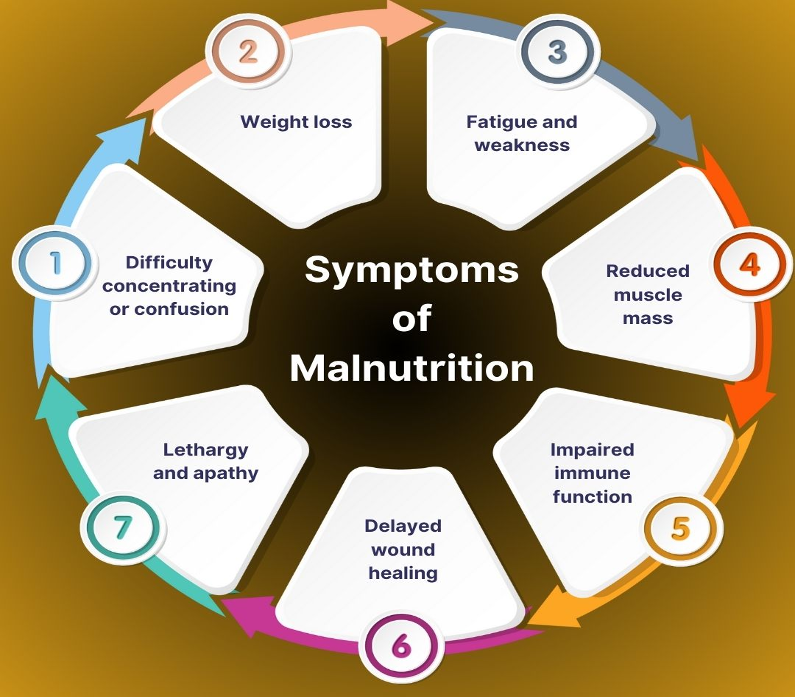
- Children affected: 58 million under five are stunted due to malnutrition; 13.9 million suffer from wasting; 4.1 million face severe wasting.
- Regional prevalence: Sub-Saharan Africa has the highest rates, with some countries like Burundi reporting stunting in over 50% of children.
- Mortality impact: 45% of all child deaths in Africa are linked to malnutrition.
GreenPro Africa Community-Centred Farming to fight hunger
- Every agricultural project includes a fair community involvement plan, ensuring rural people benefit directly.
- Profits from anchor farming units are partly reinvested into social development funds for education, healthcare, and nutrition.
- This builds loyalty and ownership among communities, protecting projects from vandalism and ensuring long-term sustainability.
SMART Sustainable Farming Villages
- GreenPro Africa’s “SMART Village” model supports government food security plans while creating jobs and improving GDP.
- Communities gain skills, infrastructure, and regular food supply, resulting in healthier children and stronger rural economies.
Regenerative Agriculture
- Focus on soil health as the foundation of food security.
- Practices include crop rotation, cover crops, composting, and no-till farming, which improves soil fertility, binds CO₂, and reduces erosion.
- This approach lowers farmer input costs while producing higher yields compared to conventional methods.
Alignment with Global Goals
- GreenPro Africa supports the United Nations Sustainable Development Goals (SDGs), especially those targeting poverty reduction, climate action, and food security.
- Their ventures are designed to balance commercial success with environmental responsibility and rural dignity.
Why all This Matters
- Food availability: Large-scale farming projects ensure consistent supply of staple foods and nutrition with rural and local farmers gaining from it via a contract farming model.
- Economic empowerment: Farmers and rural workers gain income and skills, reducing poverty.
- Climate resilience: Regenerative methods protect against droughts and climate shocks.
- Social stability: Community ownership fosters loyalty, reducing conflict and ensuring project longevity.